Life on Campus
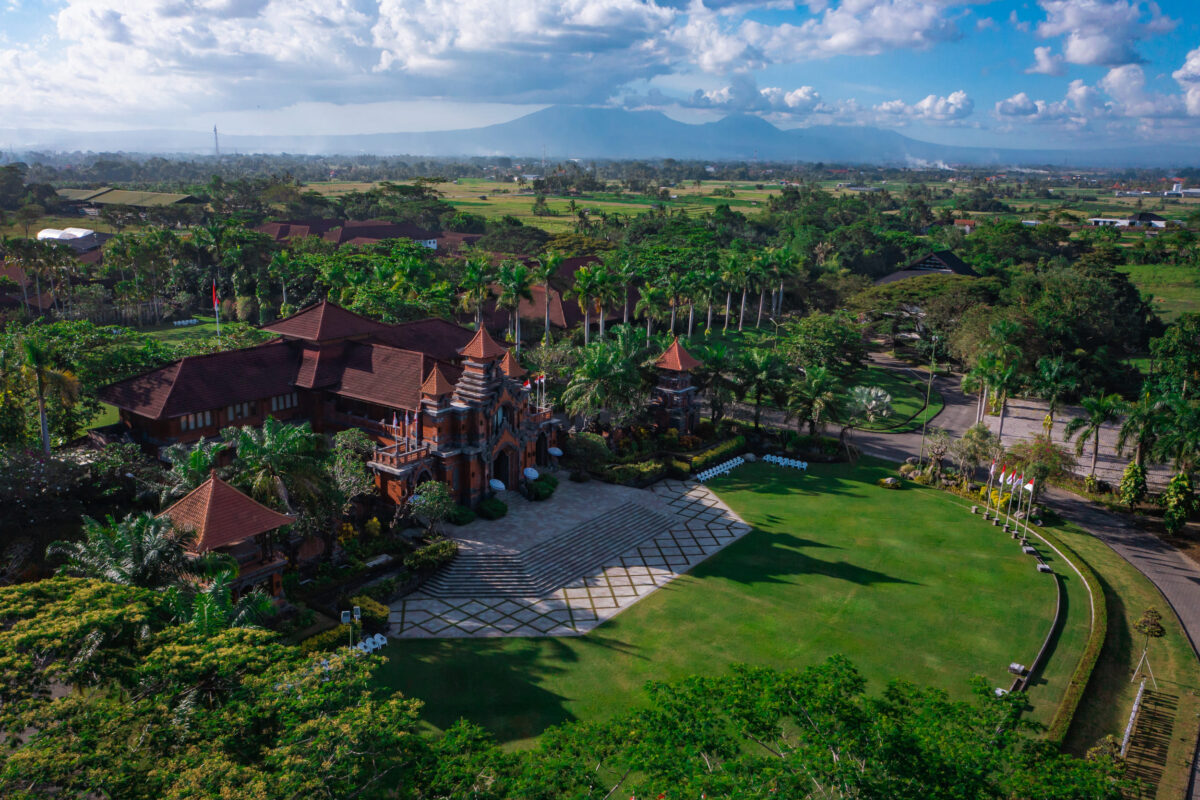
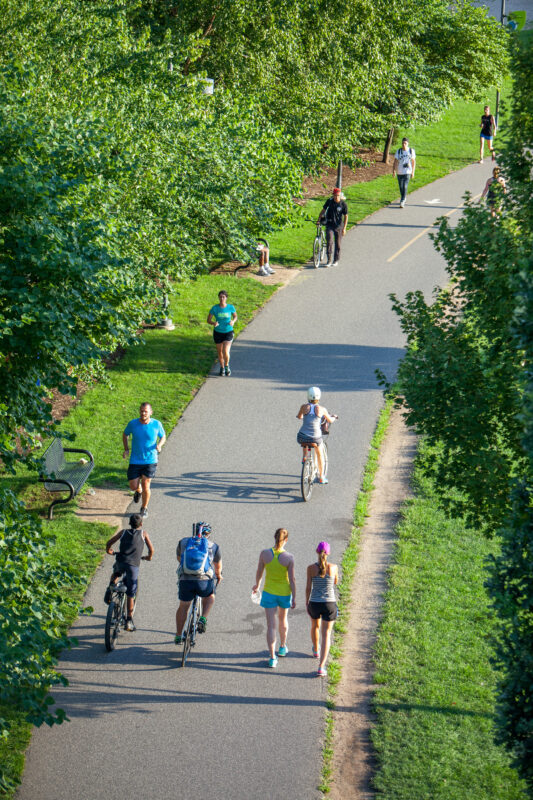
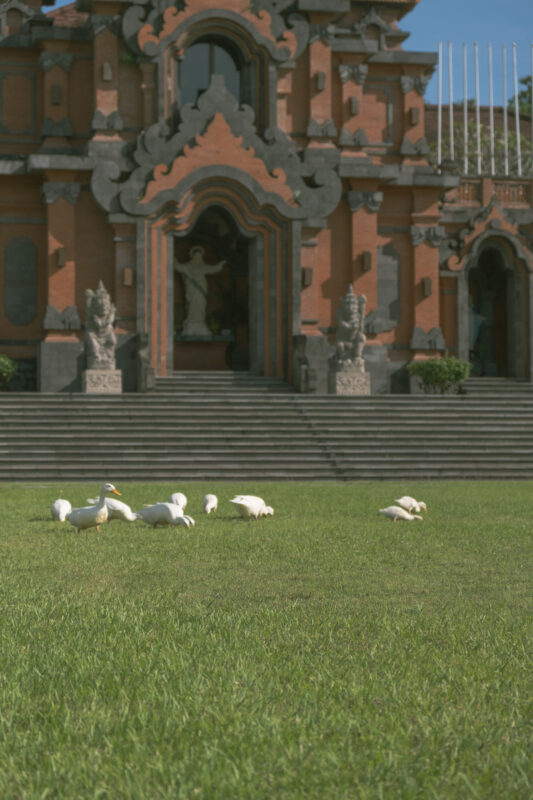
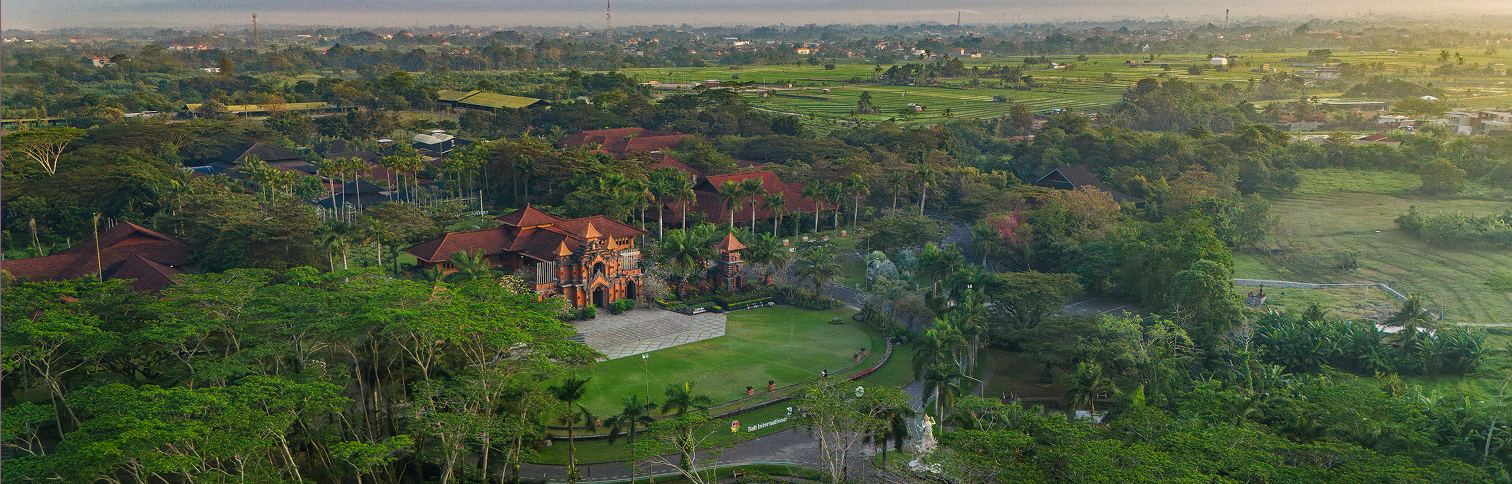
Life at the Bali International Training and Development Centre moves at a steady, thoughtful pace. Shaped not only by the rhythm of study and class, but by the way the campus invites you to slow down, look around, and become part of something greater than yourself. Spread across fifteen hectares of green, living landscape, the campus blends open space, shaded gardens, and quiet walking paths into a setting that feels less like an institution and more like a place to belong. Buildings are few and thoughtfully placed; it is the gardens that define the space. Movement happens naturally here, whether it’s a morning jog along the track that loops through the trees, or a casual walk between the studios, the canteen, or the wide open learning spaces designed to breathe as much as they teach.
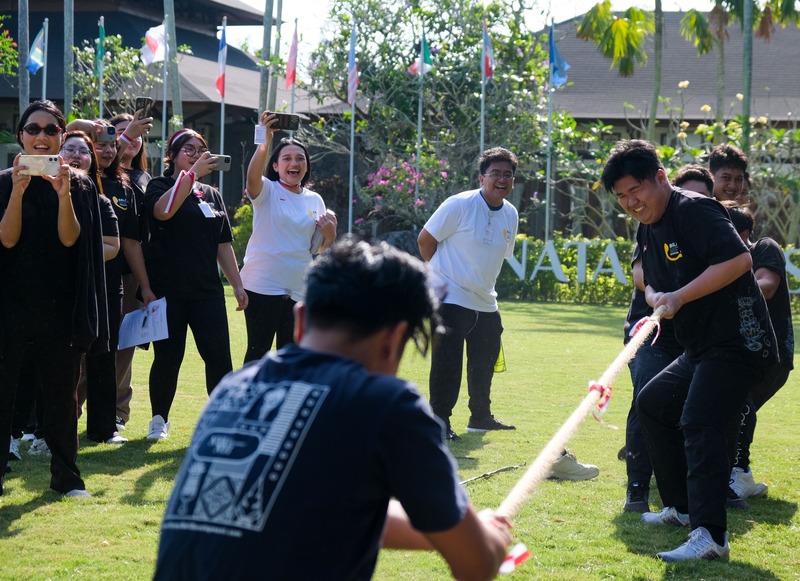
This is a place where learning doesn’t begin and end at the classroom door. Discussions spill out onto the grass, ideas take shape during a shared meal, and projects often start with conversations under the trees. The design of the campus supports this rhythm, every building is nestled into the landscape rather than imposed upon it and the open space is as intentional as the rooms themselves. Accessibility is more than a practical feature; it’s a felt experience; everything flows, connects, and welcomes. Whether heading to a workshop, joining a sustainability initiative, or simply pausing in a quiet corner to reflect, the environment encourages presence, interaction, and curiosity without pressure.
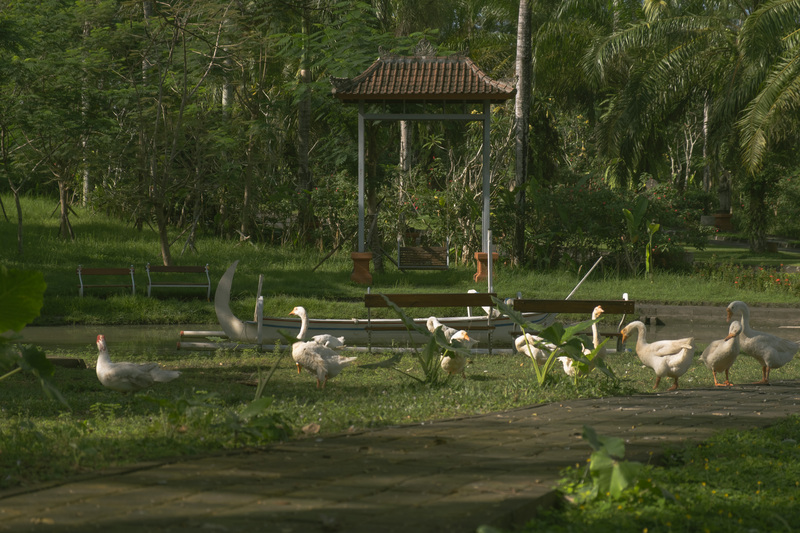
What makes the campus truly unique is its sense of openness; not just in how the land is used, but in how people relate to one another. Most of the campus is not defined by infrastructure, but here we are defined by nature fields, gardens, and open-air pavilions form the heart of daily life. There’s a quiet kind of energy here, one built on trust, shared purpose, and the understanding that learning is as much about who you become as what you know. At its heart, the campus is a living model of what thoughtful design and meaningful community can create a place where students, educators, and changemakers grow together, shaped by the land, the culture, and a shared belief in purposeful progress.